
Losing a tooth can affect a lot more than your smile. It can change the way you chew, the way you speak, and even the way you feel in social situations. Over time, it can also affect the bone in your jaw. That is one reason so many patients ask about dental implants when they are looking for a long-term solution.
If you have been researching your options, you have probably seen a lot of technical explanations and vague promises. What most people really want is something simpler: a clear understanding of what dental implants are, who they are for, what the process looks like, and whether they are worth considering.
This guide is designed to answer those questions in a practical, patient-friendly way. If you are looking into dental implants Houston patients commonly ask about, this is a good place to start.
What Are Dental Implants?
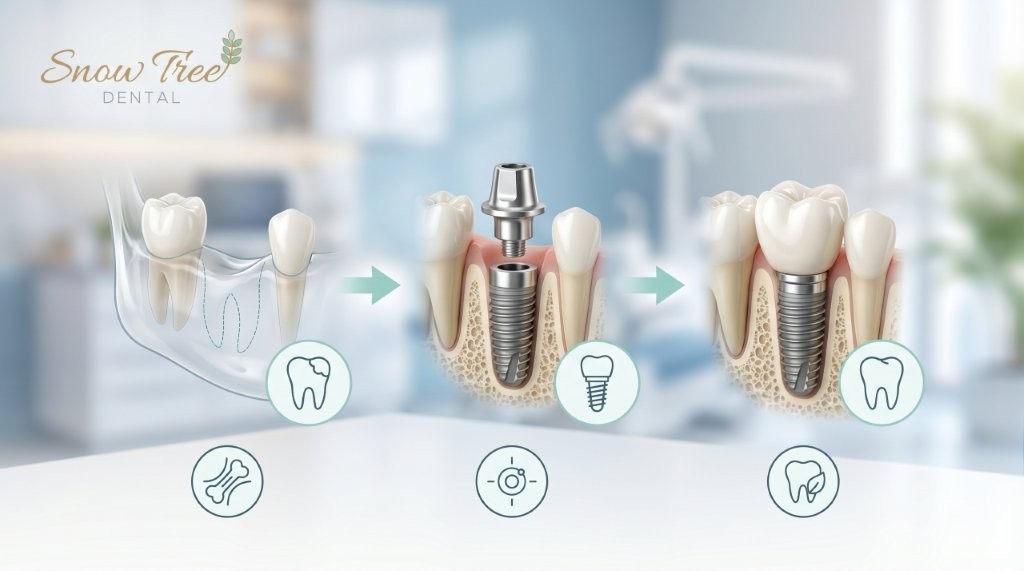
Dental implants are small titanium posts that are placed into the jawbone to replace missing tooth roots. Once the area heals, the implant supports a replacement tooth or teeth. Depending on your needs, that may be a single crown, a bridge, or another type of restoration.
A completed implant usually has three parts:
- The implant post, which is placed in the jawbone
- The abutment, which connects the post to the restoration
- The crown, which is the visible part that looks like a natural tooth
One reason implants are so popular is that they are designed to function more like natural teeth than removable options. They are fixed in place, which means they do not slide around or need to be taken out at night. For many patients, that alone makes a big difference in comfort and confidence.
Why Patients Choose Dental Implants
There is no single reason people choose implants. For some, it starts with appearance. For others, it is about function. Often, it is both.
Here are a few of the benefits that matter most to patients:
- They stay in place and feel more stable while eating and speaking
- They are designed to look natural and blend in with the rest of the smile
- They do not rely on neighboring teeth for support
- They can help preserve the shape of the jaw over time
- They offer a long-term solution when cared for properly
Many people in Houston tell us they want something that feels secure and does not constantly remind them they lost a tooth. That is often where implants stand apart. They are not just filling a gap. They are helping restore normal day-to-day function.
Who Is a Good Candidate for Dental Implants?
A lot of patients assume implants are only for certain age groups or only for people with perfect oral health. That is not really how it works. Many adults can be candidates for dental implants, but the right way to know is through an exam and treatment planning.
General Health Matters
Your overall health plays a role in healing. In general, a person should be healthy enough to recover well after a routine dental procedure. Certain medical conditions do not always rule implants out, but they may affect planning.
Jawbone Support Is Important
Because the implant is placed in the jawbone, there needs to be enough bone to support it. If bone loss has already happened, that does not necessarily mean implants are off the table. In some cases, additional procedures such as bone grafting may be recommended before implant placement.
Daily Habits Also Matter
Good home care and regular dental visits are important. Smoking and poor oral hygiene can affect healing and long-term implant success, so those factors should be part of the conversation early on.
A trusted dentist Houston patients can speak with in person will be able to evaluate your mouth, review imaging, and explain whether implants make sense for your situation.
The Dental Implant Process Step by Step
One of the biggest reasons patients feel nervous about implants is that they do not know what the process actually involves. Once it is broken down step by step, it often feels much more manageable.
Initial Consultation and Planning
The first visit is focused on evaluation. Your dentist will examine your teeth and gums, take the necessary images, and talk through your goals. This is where questions about timing, healing, and treatment options usually come up.
Implant Placement
The implant post is placed into the jawbone during a planned procedure. Local anesthesia is typically used, so the area is numb during treatment. For many patients, the anticipation is worse than the actual appointment.
Healing and Integration
After the implant is placed, your body needs time to heal. During this stage, the implant gradually bonds with the surrounding bone. This process is called osseointegration, and it is a key part of what gives implants their long-term stability.
Final Restoration
Once healing is complete, the final restoration is placed. For a single missing tooth, this is usually a crown that is custom-made to fit your bite and match your smile.
The full process takes time, but much of that time is simply healing in between appointments. It is not constant treatment. That distinction helps many patients feel more comfortable.
What to Expect During Recovery
Recovery after implant placement is usually smoother than many patients expect. That does not mean there is no healing period, but it is often very manageable with proper instructions and follow-up.
It is common to have:
- Mild soreness
- Some swelling
- Temporary sensitivity in the area
- A need to eat softer foods for a short time
Most patients are able to return to normal daily activities fairly quickly, often within a day or two depending on the procedure and the individual case.
When to Call the Dentist
Healing should gradually improve, not get worse. You should contact your dental office if you notice:
- Pain that continues to increase instead of settling down
- Swelling that seems excessive or does not improve
- Fever or drainage
- A feeling that the implant or restoration is moving
Knowing what is normal and what is not can make recovery much less stressful.
Dental Implants vs Other Tooth Replacement Options
Implants are not the only way to replace missing teeth. Depending on the situation, your dentist may also discuss bridges or dentures. Understanding the differences can help you make a more informed choice.
Dental Bridges
A bridge fills the space of a missing tooth by anchoring to the teeth next to it. In some cases, this is a practical option, but it may require those neighboring teeth to be reshaped.
Dentures
Dentures can replace multiple teeth and may be removable. They can work well for some patients, but they do not always offer the same stability or feel as implants.
Dental Implants
Implants stand on their own, which is one of their biggest advantages. They do not depend on adjacent teeth for support, and they can provide a more natural sense of biting and chewing.
There is no one-size-fits-all answer here. The best option depends on your oral health, goals, and comfort level. Still, for many patients who want the most tooth-like replacement possible, implants are worth serious consideration.
Dental implants are one of several restorative dentistry options available for replacing missing teeth.
Common Questions About Dental Implants
Patients usually come in with the same handful of concerns, and they are reasonable ones.
Does getting dental implants hurt?
The procedure itself is done with the area numb. Afterward, most people describe the discomfort as soreness rather than severe pain. Recovery instructions are an important part of keeping that healing period comfortable.
How long do dental implants last?
Dental implants are intended to be a long-term solution. With good oral hygiene, routine checkups, and proper maintenance, they can last for many years.
Are dental implants safe?
When treatment is carefully planned and appropriately placed, implants are a well-established option for replacing missing teeth.
Myth vs Fact
Myth: Dental implants are only for older adults.
Fact: Adults of many ages may be candidates, depending on their oral health and bone support.
Myth: The procedure is extremely painful.
Fact: Most patients find it more manageable than they expected.
Myth: Implants are difficult to take care of.
Fact: They still require regular brushing, flossing, and professional care, much like natural teeth.
Choosing the Right Dentist in Houston
Implant treatment is not just about placing a post in the bone. It involves diagnosis, planning, bite evaluation, healing, and long-term maintenance. That is why choosing the right provider matters.
When comparing offices, it helps to look for:
- Careful treatment planning
- Clear communication
- A comfortable, patient-centered approach
- A team that explains the process without pressure
If you are searching for dental implants Houston patients can feel confident about, experience and communication should matter just as much as convenience.
A Real-World Perspective from Our Practice
At Snow Tree Dental, one of the most common things we hear is that patients expected the idea of implants to feel overwhelming. Often, the uncertainty is really about not knowing what comes next. Once they sit down, review the images, and understand each stage of the process, the decision usually feels much less intimidating. In many cases, what patients want most is not a sales pitch. They want a clear plan and honest guidance.
When You Should Consider Dental Implants
You may want to ask about implants if:
- You are missing one or more teeth
- You are having trouble chewing comfortably
- You want a fixed option instead of a removable one
- You are concerned about long-term changes after tooth loss
- You want to understand your options before bone loss progresses further
The earlier missing teeth are evaluated, the more options are usually available.
In some cases, a damaged tooth may first require tooth extraction in Houston before moving forward with implant treatment.
Helpful Resources and Ongoing Care
If you want outside educational information, a reliable place to start is the American Dental Association dental implant guide, which offers general information about dental implants and oral health.
It is also worth remembering that implant success does not begin and end with the procedure itself. Healthy gums, regular cleanings, and routine exams all support long-term outcomes. Internal resources such as a preventive care page or a tooth replacement page can also help patients understand how implants fit into a bigger treatment picture.
Maintaining routine dental checkups plays an important role in long-term implant success.
Conclusion: Are Dental Implants Right for You?
Dental implants can be an excellent option for replacing missing teeth because they are stable, natural-looking, and designed to support everyday function. For many patients, they offer a level of comfort and confidence that is hard to get from other tooth replacement options.
That said, the right treatment is always personal. The best next step is to have your mouth evaluated, ask questions, and talk through the options clearly.
At Snow Tree Dental, we help patients understand dental implants in a calm, straightforward way. If you are exploring your options and want guidance from a caring dentist in Houston, our team is here to help you make an informed decision without pressure.
Frequently Asked Questions
What are dental implants?
Short answer: Dental implants are artificial tooth roots placed in the jaw to support a replacement tooth.
Expanded answer: Dental implants are small titanium posts that are placed into the jawbone where a tooth is missing. After healing, they support a crown, bridge, or denture. They are designed to look, feel, and function like natural teeth.
Who is a good candidate for dental implants?
Short answer: Most healthy adults with missing teeth and enough jawbone are candidates.
Expanded answer: Candidates for dental implants generally have good overall health, healthy gums, and sufficient bone to support the implant. Even if bone loss has occurred, additional procedures may make implants possible. A consultation with a dentist in Houston is the best way to confirm eligibility.
Are dental implants painful?
Short answer: Most patients experience minimal discomfort during and after the procedure.
Expanded answer: The implant procedure is typically performed under local anesthesia, so you should not feel pain during treatment. Afterward, mild soreness is common and usually manageable with standard care instructions. Many patients say it feels easier than they expected.
How long does the dental implant process take?
Short answer: It usually takes several months from start to finish.
Expanded answer: The dental implant process involves multiple stages, including healing time after placement. The implant needs time to integrate with the jawbone before the final restoration is placed. The exact timeline varies depending on your individual case.
How long do dental implants last?
Short answer: Dental implants can last many years with proper care.
Expanded answer: With consistent oral hygiene and regular dental visits, dental implants are designed to be a long-term solution. The crown may need replacement over time due to wear, but the implant itself can remain stable for many years.
Can dental implants replace multiple teeth?
Short answer: Yes, implants can support single or multiple tooth replacements.
Expanded answer: Dental implants can be used to replace one tooth, several teeth, or even support full-arch restorations. The treatment plan depends on how many teeth are missing and your overall oral health.
What is recovery like after dental implants?
Short answer: Recovery is usually mild and manageable.
Expanded answer: Most patients experience minor swelling, soreness, and temporary dietary restrictions after implant placement. Many return to normal activities within a day or two. Healing continues over time as the implant integrates with the bone.
Are dental implants better than bridges or dentures?
Short answer: In many cases, they offer more stability and a more natural feel.
Expanded answer: Dental implants do not rely on neighboring teeth for support and are fixed in place, which often makes them feel more natural than removable options. However, the best choice depends on your specific needs, and your dentist will help you compare options.
Do dental implants require special care?
Short answer: No, but good oral hygiene is essential.
Expanded answer: Dental implants should be cared for like natural teeth. Brushing, flossing, and routine dental visits help maintain the health of the surrounding gums and bone, which is critical for long-term success.
When should I consider dental implants?
Short answer: When you have missing teeth and want a long-term solution.
Expanded answer: You may want to consider dental implants if you are missing one or more teeth, having trouble chewing, or looking for a stable alternative to dentures. Addressing missing teeth earlier can help preserve bone and expand your treatment options.
Are dental implants safe?
Short answer: Yes, when properly planned and placed.
Expanded answer: Dental implants are a widely used and well-established treatment. Success depends on careful planning, proper placement, and good oral hygiene. Your dentist will evaluate your specific situation to ensure it is appropriate for you.
At Snow Tree Dental, many patients come in with similar concerns about dental implants, especially around discomfort and recovery time. What we consistently see is that once the process is explained clearly, most of that uncertainty fades. Patients often feel more confident after understanding that treatment is done in stages and tailored to their specific needs.
Ready to take the next step? At Snow Tree Dental, we help patients understand dental implants in a calm, straightforward way. If you are exploring your options and want guidance from a caring dentist in Houston, our team is here to help you make an informed decision without pressure.