
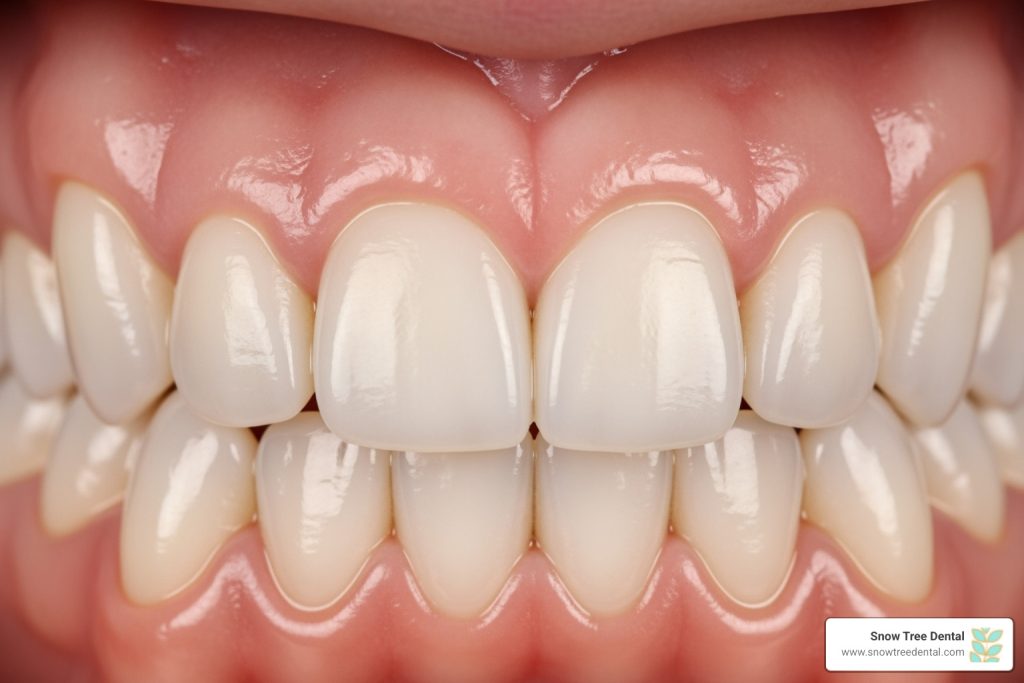
Gum Recession Treatment: Top 3 Solutions
Understanding Your Treatment Options for Receding Gums
Gum recession treatment offers several effective solutions to restore your smile and protect your oral health. Here are your main options:
Non-Surgical Treatments:
- Scaling and root planing (deep cleaning)
- Dental bonding to cover exposed roots
- Desensitizing agents for sensitivity relief
- Antibiotics to control infection
Surgical Treatments:
- Gum grafting (connective tissue, free gingival, or pedicle grafts)
- Pinhole Surgical Technique (minimally invasive)
- Flap surgery for severe cases
Recovery times range from a few days for non-surgical methods to about two weeks for traditional grafting procedures.
The saying “long in the tooth” refers to how gums can recede with age, making teeth look longer. But gum recession isn’t just about aging; it’s a common condition where gum tissue pulls away from teeth, exposing sensitive roots.
The good news is that gum recession is highly treatable. While gums don’t grow back on their own, modern dentistry offers proven solutions to stop further recession, reduce sensitivity, and restore your smile. At Snow Tree Dental, Dr. Muna Mohammad helps Houston patients find the right treatment plan to dramatically improve their oral health and quality of life.
Understanding Gum Recession: Causes and Symptoms
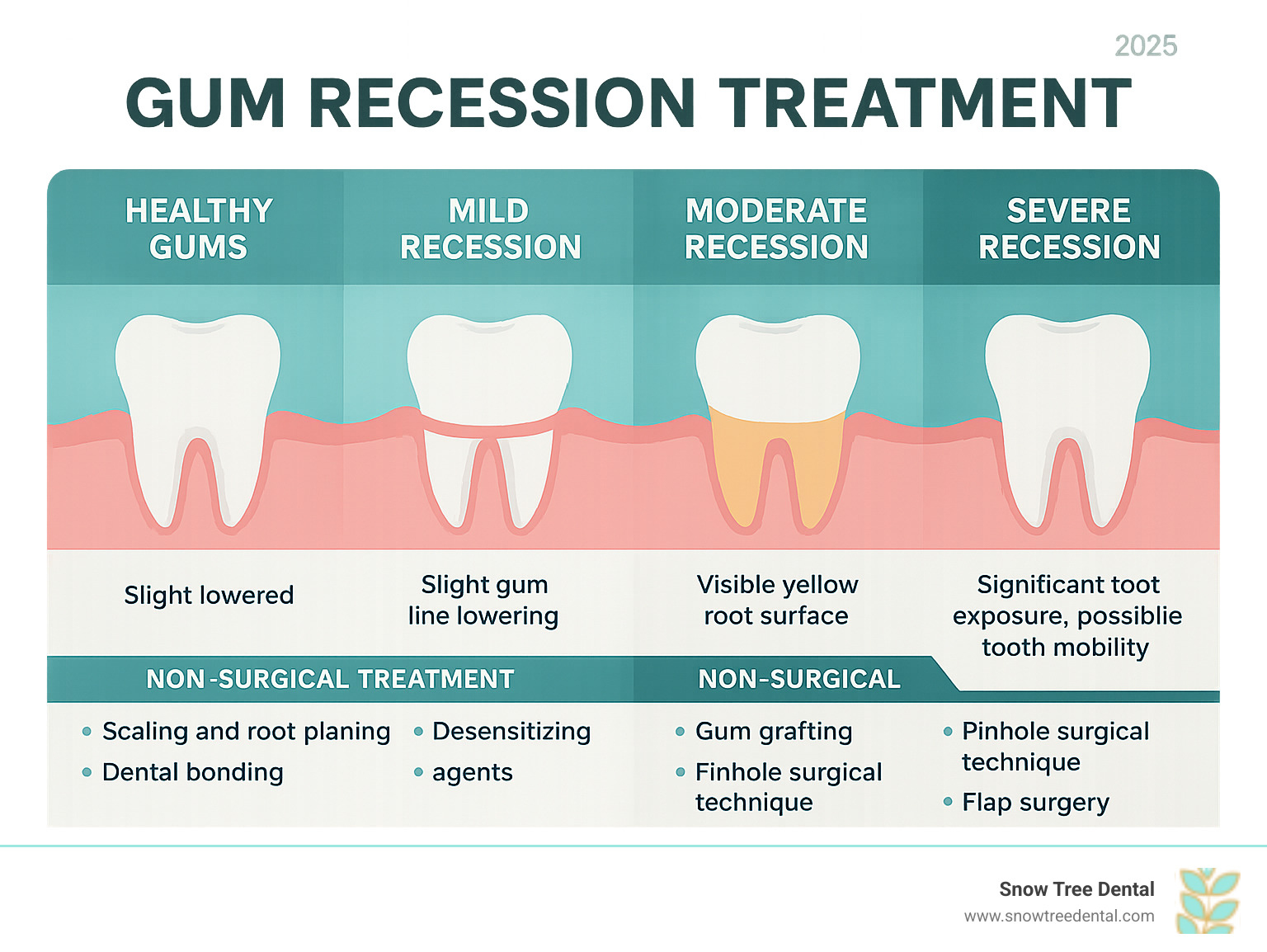
Gum recession is when the gum tissue surrounding your teeth wears away or pulls back, exposing more of the tooth or its root. This can lead to increased tooth sensitivity, as the exposed roots aren’t protected by hard enamel. The exposure makes teeth more susceptible to damage, cavities, and decay.
Recession can also create pockets between the teeth and gum line where bacteria accumulate, potentially leading to severe damage, bone loss, and even tooth loss if left untreated. For more details on gum recession, you can refer to this guide from Cleveland Clinic.
Common Causes of Receding Gums
Understanding why gum recession happens is key to prevention and treatment. The primary causes include:
- Periodontal Disease: The most common cause, this bacterial infection destroys gum tissue and the bone that supports your teeth.
- Aggressive Brushing: Brushing too hard or using a hard-bristled toothbrush can wear away gum tissue over time.
- Genetics: Some people are more susceptible to gum recession due to inherited traits like gum thickness and bone structure.
- Hormonal Changes: Fluctuations in female hormones during puberty, pregnancy, and menopause can make gums more vulnerable.
- Teeth Grinding (Bruxism): Clenching or grinding your teeth puts excessive force on your gums, which can lead to recession. A nightguard can help.
- Misaligned Teeth or Poor Bite: When teeth don’t fit together properly, uneven force can cause recession on overloaded teeth.
- Tobacco Use: Smoking and chewing tobacco impair blood flow to the gums, hindering their ability to heal and increasing infection risk.
- Lip or Tongue Piercings: Jewelry can rub against the gum tissue, wearing it away and causing localized recession.
Recognizing the Signs of Gum Recession
Gum recession often happens gradually. Knowing the signs is important for early detection.
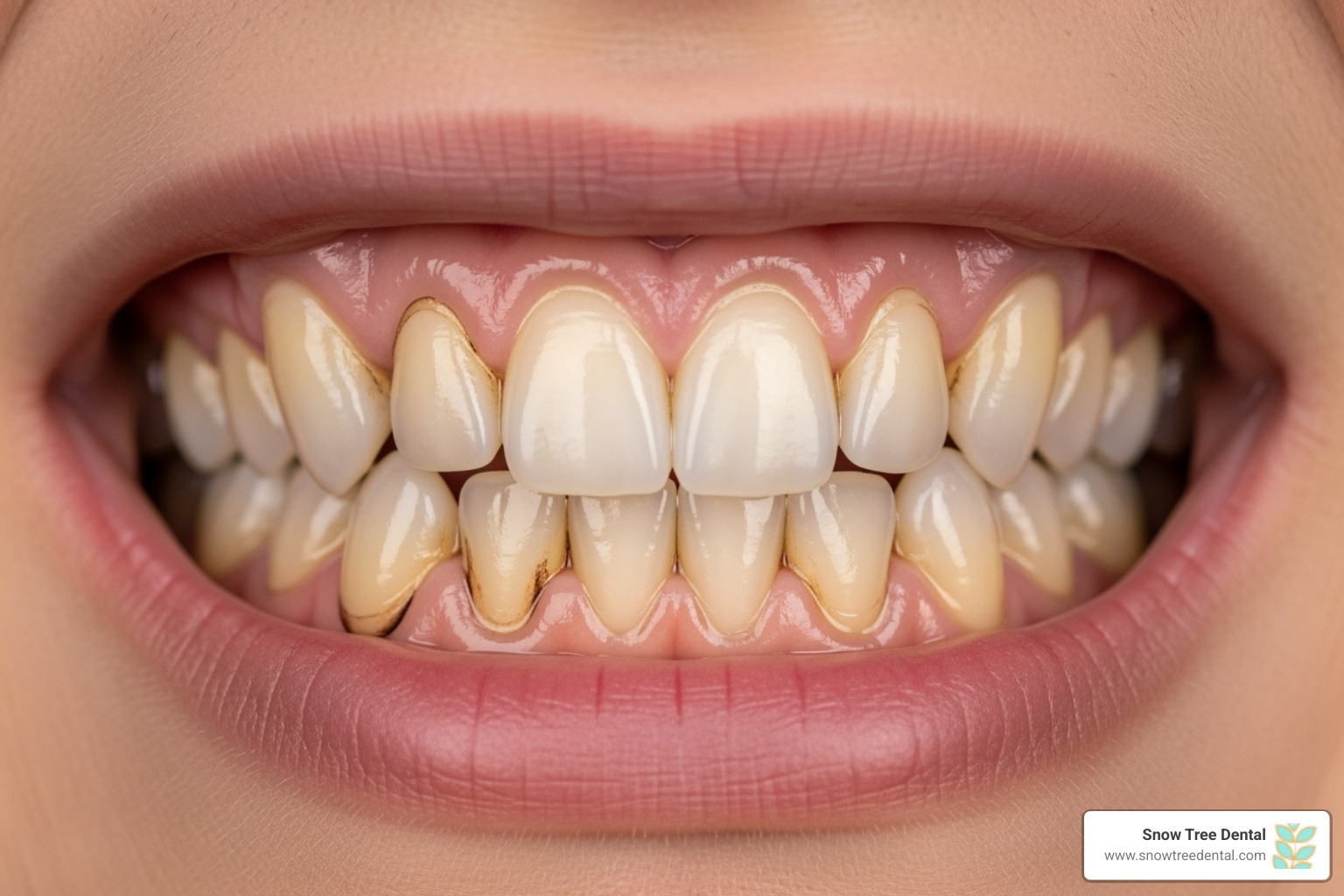
Here’s what to look out for:
- Tooth Sensitivity: A common early sign is sharp pain when consuming hot, cold, sweet, or acidic foods.
- Teeth Appearing Longer: As gum tissue recedes, more of the tooth becomes visible.
- Visible Roots: You might notice a darker, yellowish area at the base of your teeth near the gum line.
- Notches Near the Gum Line: You may feel a slight indentation where the gum line has receded.
- Swollen or Bleeding Gums: Often a symptom of underlying gum disease, which can cause gums to be red, swollen, or bleed easily.
- Persistent Bad Breath: Pockets formed by receding gums can trap bacteria and food particles.
- Loose Teeth: In advanced stages, especially with bone loss, teeth may feel loose. This is a serious sign.
- Pain Around the Gum Line: Some individuals may experience pain or tenderness in the gum tissue itself.
If you notice any of these signs, schedule a dental visit. Early detection is key to successful treatment.
Professional Diagnosis and When to See a Dentist
Visiting the dentist for gum concerns is like getting a professional opinion on your home’s foundation—you want an expert assessment before small issues become big problems.
When you visit Snow Tree Dental for gum recession treatment, we perform a comprehensive examination. We’ll discuss your medical history, habits like brushing or grinding, and any changes you’ve noticed.
During the visual inspection, we look for swelling, redness, and changes in your gum line. A key diagnostic step is pocket depth measurement. Using a small, gentle probe, we measure the space between your gums and teeth. Healthy pocket depths are 1-3 millimeters. Pockets of 4mm or deeper can signal gum disease, as they are difficult to clean effectively at home.
Dental X-rays complete the picture by revealing the health of the bone supporting your teeth. This bone loss assessment helps us see hidden damage that isn’t visible during a standard exam.
Early detection is crucial because gum recession often develops gradually. Regular check-ups allow us to spot subtle changes you might miss.
You should schedule a visit as soon as you notice anything different, such as increased sensitivity, longer-looking teeth, or tender gums. Don’t ignore persistent bad breath or bleeding when you floss. These are signs that your mouth needs professional attention.
Regular visits are the foundation of preventing serious gum problems. We focus on catching issues early when treatment is simpler and more comfortable. Learn more about our comprehensive General Dentistry services.
There’s no such thing as being “too careful” with your gum health. Early intervention almost always leads to easier, more effective treatment.
Your Guide to Gum Recession Treatment Options
After a thorough diagnosis, we’ll create a personalized gum recession treatment plan based on the severity of your recession, its cause, and your overall oral health. Our goal is to stop the progression, protect your teeth, relieve discomfort, and restore your smile’s appearance.
Non-Surgical Gum Recession Treatment
For mild to moderate cases, non-surgical approaches are often highly effective.
- Scaling and Root Planing (Deep Cleaning): This is often the first line of defense against gum disease. Scaling removes plaque and tartar from above and below the gum line, while root planing smooths the tooth roots to help the gums reattach.
- Antibiotics and Medicated Rinses: To control bacterial infection, we may recommend topical or oral antibiotics, along with medicated mouth rinses to reduce bacteria and inflammation.
- Dental Bonding (Composite Resin): An excellent solution for sensitivity and cosmetic concerns. We apply a tooth-colored resin to cover the exposed root, which protects it from decay and improves the appearance of “long” teeth. This is a quick, cost-effective technique, though the resin may need replacement after 5-7 years. Learn more about our Cosmetic Dentistry services.
- Desensitizing Agents: For immediate relief from sensitivity, we can apply fluoride varnishes or other agents to the exposed roots. Special toothpastes can also help at home.
Surgical Gum Recession Treatment
When recession is severe, surgery may be necessary to restore lost gum tissue and protect your teeth.
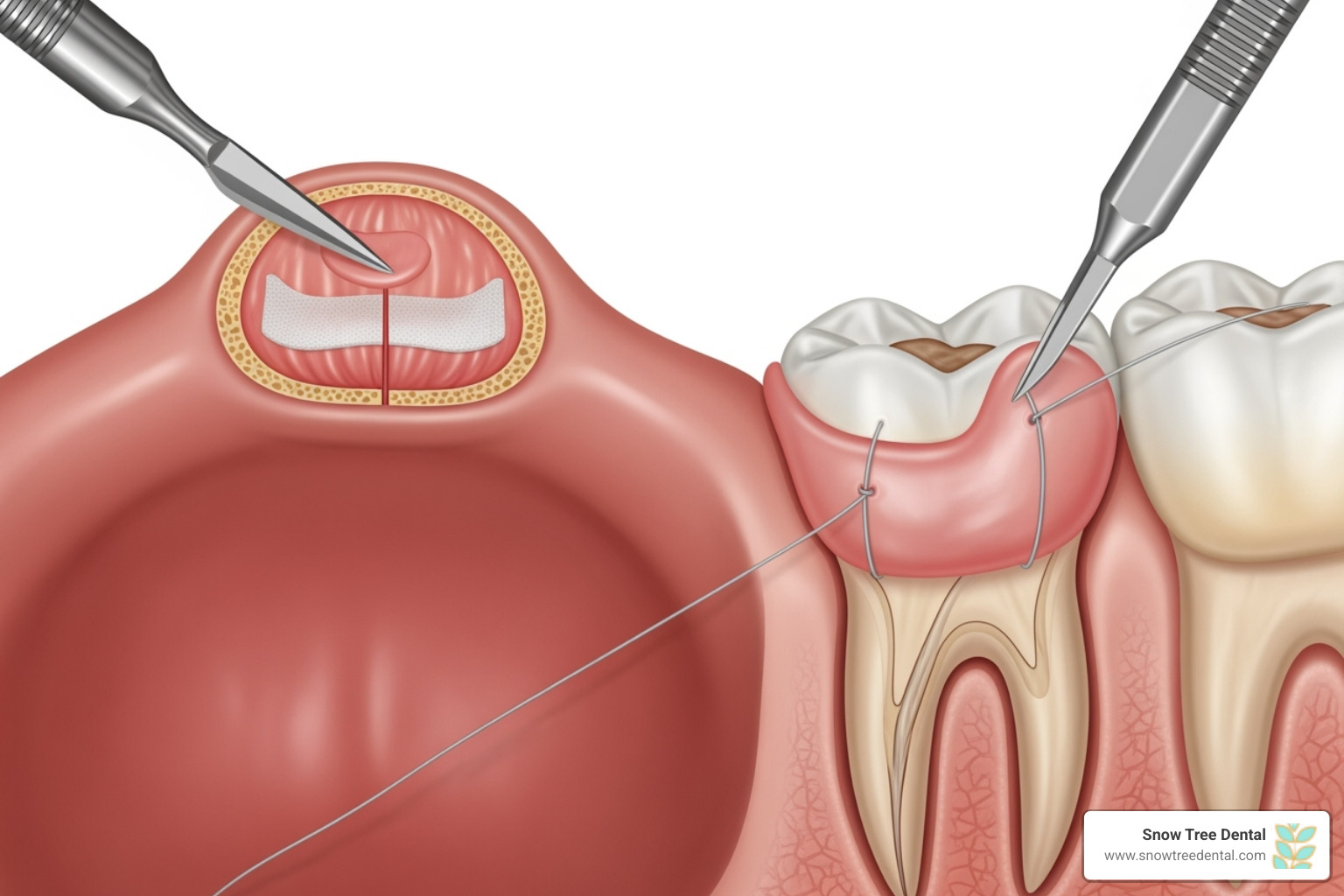
Here are the main surgical options:
- Gum Grafting (Soft Tissue Grafts): This procedure involves taking tissue from another area of your mouth (or using donor tissue) and attaching it to the receded area to cover the exposed root. Common types include:
- Connective-Tissue Graft: The most common type, where tissue is taken from under a flap on the roof of your mouth.
- Free Gingival Graft: Tissue is taken directly from the surface of the palate.
- Pedicle Graft: Uses gum tissue from a tooth adjacent to the recession.
- Allograft: Uses sterilized human donor tissue.
- Pinhole Surgical Technique (PST): A minimally invasive gum recession treatment. We create a tiny “pinhole” in the gum tissue and use special instruments to gently reposition the existing gumline to cover the exposed root. There is no cutting or stitching, and recovery is significantly faster and more comfortable than traditional grafting.
Here’s a quick comparison of these two popular surgical methods:
| Feature | Traditional Gum Grafting | Pinhole Surgical Technique (PST) |
|---|---|---|
| Invasiveness | More invasive (requires tissue harvesting from palate) | Minimally invasive (small pinhole, no scalpels or sutures) |
| Sutures (Stitches) | Required at both donor and recipient sites | No sutures needed |
| Tissue Source | Patient’s palate or donor tissue | Patient’s existing gum tissue |
| Procedure Time | Often longer, especially for multiple teeth | Generally faster, can treat multiple teeth in one session |
| Discomfort/Pain | Can be moderate to significant at donor site | Minimal discomfort, often no pain medication needed |
| Recovery Time | Typically 1-2 weeks (donor site healing) | Much faster, often a few days of mild discomfort |
| Aesthetics | Excellent, but donor site may have temporary changes | Excellent, immediate aesthetic improvement |
| Swelling/Bleeding | More common, especially at donor site | Minimal |
| Long-Term Outlook | Highly effective and durable | Excellent, often permanent with proper care |
- Flap Surgery (Pocket Reduction Surgery): For deep periodontal pockets, we fold back the gum tissue to clean the roots and remove diseased tissue. The gum is then repositioned to reduce pocket depth, making it easier to keep clean.
Emerging and Advanced Methods
We use modern dental technology and emerging methods for the best care:
- Laser-Assisted Gum Therapy: A less invasive option that can seal root surfaces to reduce sensitivity, often with no anesthesia and faster healing.
- Guided Tissue Regeneration (GTR): If bone has been lost, a special membrane is placed between the bone and gum to allow the bone and connective tissue to regrow.
- Tissue-Stimulating Proteins: A gel containing special proteins can be applied to the root to stimulate healthy tissue and bone growth.
- Platelet-Rich Fibrin (PRF): Advanced techniques use growth factors from your own blood to promote natural tissue regeneration.
For more on periodontitis treatment, consult resources like the Mayo Clinic’s guide on Periodontitis Diagnosis and Treatment.
Prevention and Long-Term Gum Health
While we offer many effective gum recession treatment options, prevention is always the best approach. Proactive care is essential for maintaining healthy gums, and if you’ve had treatment, long-term care is crucial to protect your results.
How to Prevent Gum Recession
Simple daily habits can make a significant difference in safeguarding your gum health:

- Maintain a Robust Oral Hygiene Routine: Brush gently twice a day with a soft-bristled toothbrush and fluoridated toothpaste. Use gentle, circular motions along the gum line.
- Floss Daily: Flossing is non-negotiable for removing plaque and food from between teeth and under the gum line.
- Use an Antiseptic Mouthwash: A therapeutic mouthwash can help reduce bacteria that cause gum disease.
- Schedule Regular Dental Check-ups and Cleanings: These visits are vital for early detection. We recommend visiting us at least twice a year. Explore our Preventative Dentistry services for more information.
- Address Teeth Grinding (Bruxism): If you grind your teeth, a custom-fitted nightguard can protect your teeth and gums from excessive force.
- Avoid Tobacco Products: Quitting smoking or chewing tobacco dramatically improves your gum health.
- Eat a Well-Balanced Diet: A nutritious diet supports your overall health, including your gums.
Maintaining Healthy Gums After Treatment
After gum recession treatment, maintaining your results requires ongoing commitment.
- Follow Post-Operative Instructions Diligently: Following our care instructions precisely is critical for proper healing and the success of your treatment.
- Attend All Follow-Up Appointments: We’ll schedule follow-up visits to monitor your healing and ensure the long-term success of your treatment.
- Commit to Long-Term Oral Hygiene: Continue with gentle brushing and daily flossing. Be extra gentle around treated areas as they heal.
- Protect the Treated Area: Avoid aggressive brushing and hard or sticky foods that could damage the new gum tissue. If you have a nightguard, wear it diligently.
- Regular Professional Cleanings: These are essential to prevent plaque and tartar buildup that could lead to new gum problems.
Frequently Asked Questions about Gum Recession
As a Houston dentist, I often hear these questions about gum recession treatment. Here are the answers to help put your mind at ease.
Can receding gums grow back?
This is a very common question. Unfortunately, gum tissue doesn’t regenerate naturally once it has been lost. However, the good news is that we have excellent gum recession treatment options to fix the problem. Procedures like gum grafting and the Pinhole Surgical Technique can effectively cover exposed roots, stop further recession, and restore both the health and appearance of your smile. Our goal is to prevent further loss and protect your teeth.
How long is recovery after gum recession surgery?
Recovery time varies depending on the procedure. For traditional gum grafting, you can expect about two weeks of recovery. The first few days involve the most discomfort, which is manageable with medication, and you’ll need to stick to soft foods. In contrast, the Pinhole Surgical Technique offers much faster healing—often just a few days of mild discomfort. Since there’s no cutting or stitching, patients return to normal activities much sooner. Your overall health and how well you follow post-operative instructions also affect your healing time.
Can composite bonding fix receding gums?
Composite bonding is a wonderful solution for the problems caused by gum recession, but it doesn’t fix the recession itself. Here’s what it can do: it acts as a cosmetic solution that immediately improves your smile. We apply a tooth-colored resin to the exposed root, which covers the unsightly yellow area and dramatically reduces sensitivity. The procedure is quick and the aesthetic results are immediate.
However, bonding doesn’t treat the underlying cause of your gum recession. If you have untreated gum disease, the recession may continue. Also, the composite material typically needs replacing after 5-7 years. We often recommend bonding as part of a comprehensive treatment plan, but any active gum disease must be addressed first.
Your Next Steps to a Healthier Smile
We hope this guide has clarified your gum recession treatment options and empowered you to make informed decisions about your oral health. The most important thing to remember is that gum recession isn’t just about appearance. The real concern is protecting your teeth from decay and potential tooth loss.
The encouraging news is that modern dentistry offers proven solutions. Whether you need a deep cleaning, dental bonding, or advanced gum grafting, we have effective treatments to stop recession and restore your smile.
Early action makes all the difference. The sooner we address gum recession, the more conservative and comfortable your treatment will be. If you’ve noticed any warning signs like tooth sensitivity or longer-looking teeth, don’t wait to seek professional care.
At Snow Tree Dental in Houston, we create a comfortable, welcoming environment for your care. We use modern technology for efficient and pleasant visits and offer flexible scheduling, including evenings and Saturdays, to fit your busy life.
We believe quality dental care should be accessible. Our transparent pricing and in-house dental plan help make gum recession treatment affordable without sacrificing the personalized care you deserve.
Your journey to healthier gums begins with a consultation. We’ll examine your gums, discuss the cause of your recession, and create a treatment plan that fits your needs and comfort level. Don’t let gum recession progress.
Schedule your consultation with us today and let’s work together to protect your oral health and restore your confident smile.